First books by first-time writers
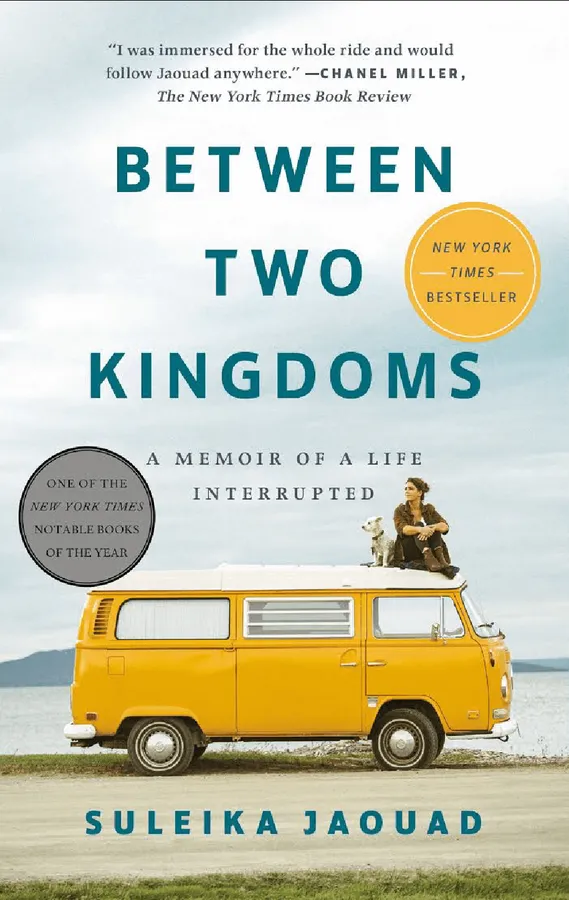
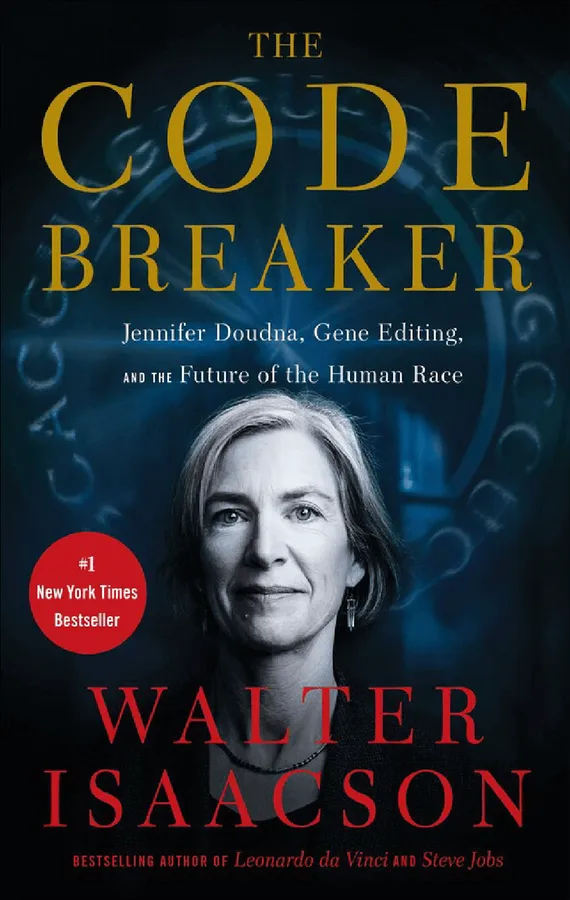
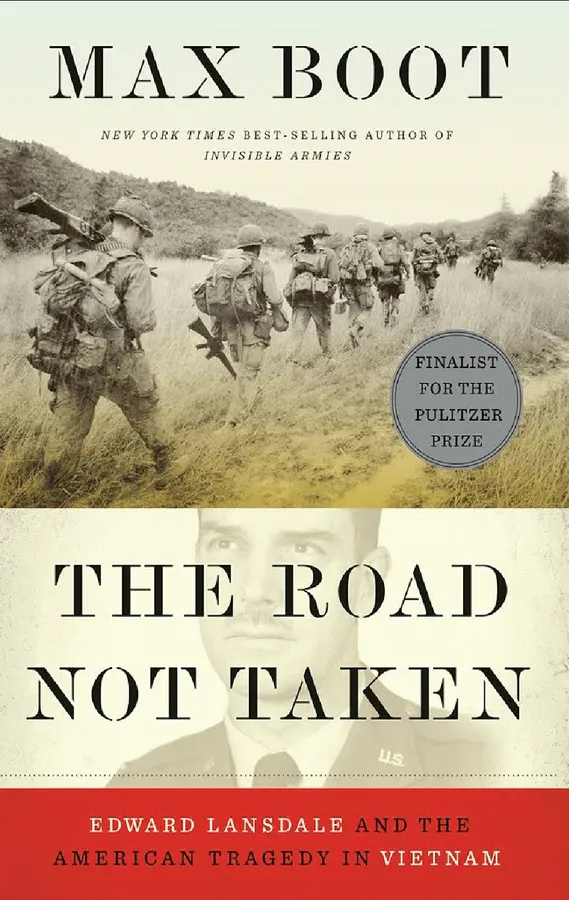
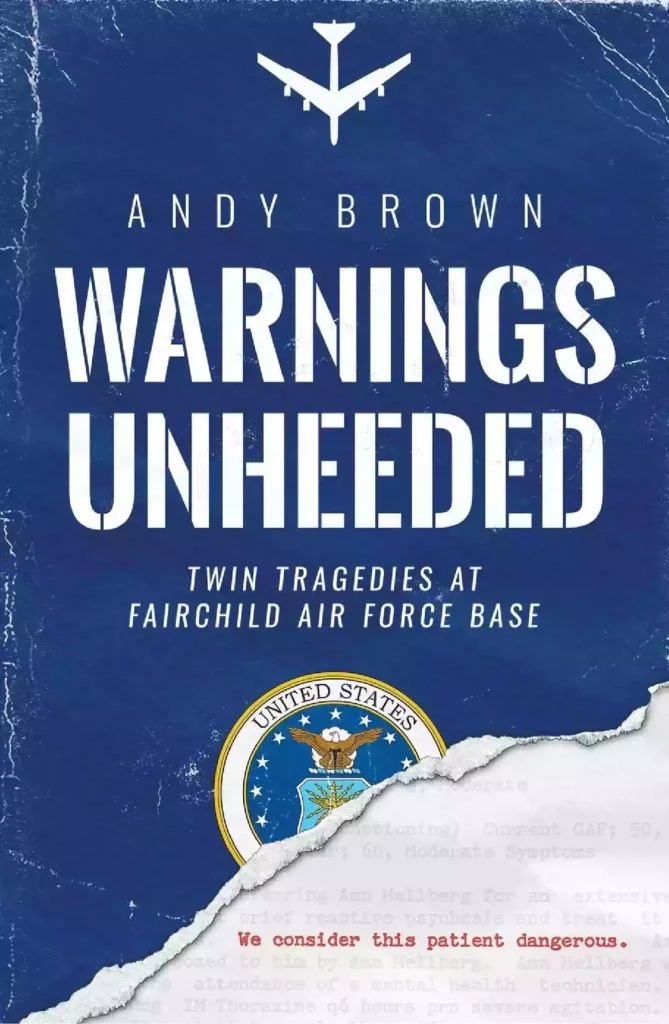
Life stories and memoirs we've published — most began as legal pads, voice memos, and "I've never written anything."
You don't need a degree, a fancy computer, or a single day of writing experience. You need a story, a plan you can actually follow, and the truth about what happens after the last page. This guide covers all three — written for people starting their first book at 50, 60, 70, or beyond, because that's who we've published most since 2017.
Here's something we can tell you after publishing 1,200+ authors: most of them had never written anything longer than a letter before they started. Retired teachers, nurses, pastors, farmers, veterans. The ones who finished weren't the "born writers." They were the ones who gave themselves permission to write badly first.
That's the whole secret, so we'll say it plainly. Your first draft is allowed to be a mess. It's supposed to be. Nobody sees it but you. Editing exists precisely because first drafts are rough — ours, yours, everyone's. The authors who never finish are almost always the ones who stop to fix chapter one for the fourth time instead of writing chapter two.
So make yourself two rules before you write a word:
And if the blank page still wins after a few honest tries? That's not failure. Some people are storytellers, not typists. Ghostwriting starts at $1,600 — you talk, a professional writer writes, and the book is still yours, in your name, with your rights. More on that at the end.
Search "how to outline a book" and you'll find beat sheets, snowflake methods, three-act diagrams. They work fine for people who enjoy diagrams. For everyone else, three questions do the job:
That list of stops is your outline. Each stop becomes a chapter, more or less. You can shuffle the cards, add one, tear one up. And when you sit down to write, you never face "write a book" — you face "write the church picnic," which is a job a person can do on a Tuesday.
One position we'll take: don't over-outline. We've watched authors spend a year perfecting an outline and never start the book. Ten lines on a legal pad beats forty pages of planning you're hiding behind.
More than half the first-time authors who call us want to write their life story — for their grandchildren, for their church, or just so the story doesn't die with them. Two things stop them: "Where do I start?" and "I can't remember enough." Both have practical fixes.
Don't sit down to "remember your life." Memory doesn't answer broad questions; it answers specific ones. Try these — one per sitting, and talk your answers into your phone's voice recorder if that's easier than writing:
One prompt usually shakes loose three more memories. Old photos, hymnals, and yearbooks help too — and so does calling a sibling. Their version of the same summer will surprise you, and the difference is often the interesting part.
A life story needs a shape, and there are really only two:
Rule of thumb from the manuscripts we see: writing for family, timeline. Writing for readers who've never met you, theme. And if you're between them, start with a timeline — it's easier to reshape a full timeline into themes later than the reverse. Our memoir publishing page shows what finished life stories look like as real books.
"What genre is my book?" matters less while you're writing than everyone makes it sound — but it matters at publishing time, because it decides your cover, your Amazon categories, and your length. The plain-English versions:
Don't lose sleep placing your book perfectly. "It's my life story, but there's a lot about faith in it" is a normal book, not a problem — that's a conversation we have on the phone about once a day.
The writing-software industry would love you to believe you need a $250 program and a course to learn it. You don't. Books have been written with less than you already own:
What you should skip: special novel-writing software, formatting templates, and anything that promises to "structure your book with AI." Every hour spent learning a tool is an hour not spent on chapter two — and chapter two is the only thing standing between you and chapter three.
Starting a book is common. Finishing one isn't — and the difference is almost never talent. It's routine. Here's what works for the authors who make it to the last page:
And expect the valley. Somewhere around the middle — week six, chapter eight — every author decides the book is terrible. Every one. It isn't; it's a first draft, doing what first drafts do. The authors holding a finished book today are the ones who wrote the next 300 words anyway.
Here's where first-time writers get the standard wrong, and it costs some of them years. "Done" does not mean polished. It doesn't mean your grammar is right, your commas are placed, or your chapter seven isn't repetitive. That is editing, and editing is a professional's job in every book you've ever bought — the famous authors get edited hardest of all.
Done means the story is all out of you and onto the page. Beginning, middle, end. Rough is fine. Typos are fine. Handwritten is fine. Most manuscripts we receive are somewhere around 15% too long with the same story told twice in places — and that's normal, because that's what a real draft looks like.
This is why we work in drafts. You hand us the manuscript as it is; editing and proofreading are included in every package, and nothing goes to print until you've approved the final proof — you see the finished book, printed and digital, before the world does. So the finish line you're actually running toward is "the story is told," not "the story is perfect." That's a much closer line. You can see exactly what happens after you cross it on our how it works page, and what professional editing involves on our book editing page.
Once the draft exists, publishing is a known road with real numbers on it:
The full comparison — costs, timelines, and how to spot the scam outfits that target new authors — is in our pillar guide on how to publish a book, with every real number on the publishing cost page. Wherever you publish, our three promises are worth demanding from anyone you talk to: one transparent payment, 100% of rights and royalties stay yours, and nothing publishes without your written approval.
Life stories and memoirs we've published — most began as legal pads, voice memos, and "I've never written anything."
“I'm 71 and I wrote my whole book on yellow legal pads. I almost didn't call because I thought they'd laugh. They typed every page, and my daughter cried when the proof copy came.”
Real questions from the phone at (229) 518-4453 — a real person answers 11am–8pm ET, Monday to Friday.
No — and we say that from evidence, not politeness. Most of the 1,200+ authors we've published since 2017 are over 50, and plenty started their first book past 70. You have the one thing writing can't fake: a life's worth of material. Frank McCourt published his first book at 66 and won the Pulitzer for it.
Long enough to tell the story, and no rule beyond that binds a self-published author. Rough landmarks: memoirs 50,000–80,000 words, novels 60,000–90,000, how-to books 30,000–60,000. A 35,000-word family memoir makes a lovely finished paperback. Write the story; we'll make whatever length it is look right on the page.
Then you're like most of the authors we publish, including some of the best storytellers. Proofreading and editing are included in every package, and our editors fix the mechanics without flattening your voice — your book should sound like you, just cleaner. Grammar is a service you buy. A story is something only you have.
No. We accept handwritten pages, typed pages, and voice recordings — we type manuscripts up as part of the project. If you do use a computer, plain Microsoft Word or Google Docs is all you need. Please skip fancy formatting; designing the interior is our job, and it's included.
Our packages run $699 to $7,999 — one payment, listed publicly, with editing, cover design, formatting, ISBN, and store setup included. You keep 100% of rights and royalties, and nothing publishes without your written approval of the final proof. Every number is on our pricing page.
Then don't — tell it instead. With ghostwriting, from $1,600, you talk through your story in recorded conversations and a professional writer turns it into a manuscript in your voice. Your name on the cover, your rights, your royalties, and an NDA if you want one. It's how many memoirs you've read were actually made.
When the draft is moving, read how to publish a book so you know the road ahead. Writing your life story? Our memoir publishing service was built for exactly that. And if you'd rather talk it through, the consultation is free and nobody will pressure you — that's a promise we keep on purpose.