Children's books we've published
Many began as a bedtime story a grandparent had told a hundred times.
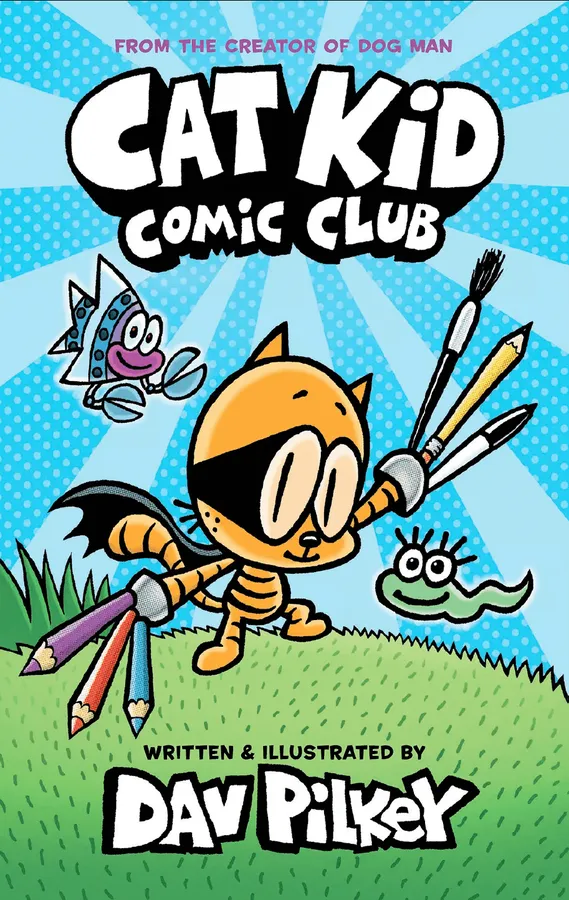
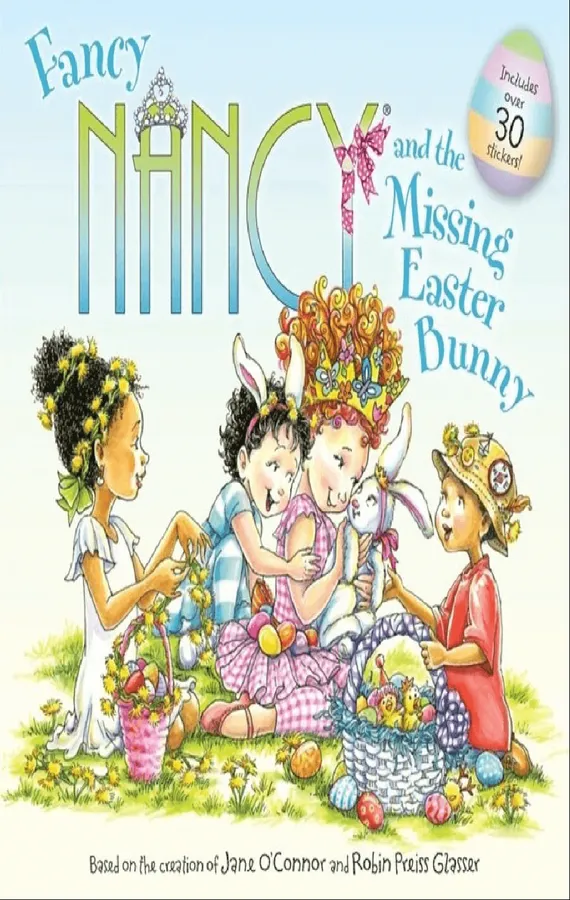
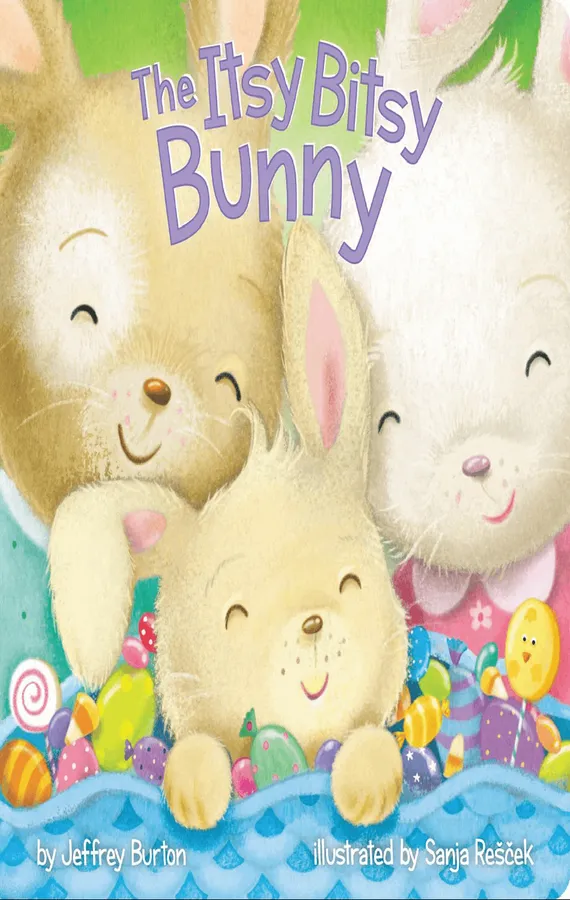
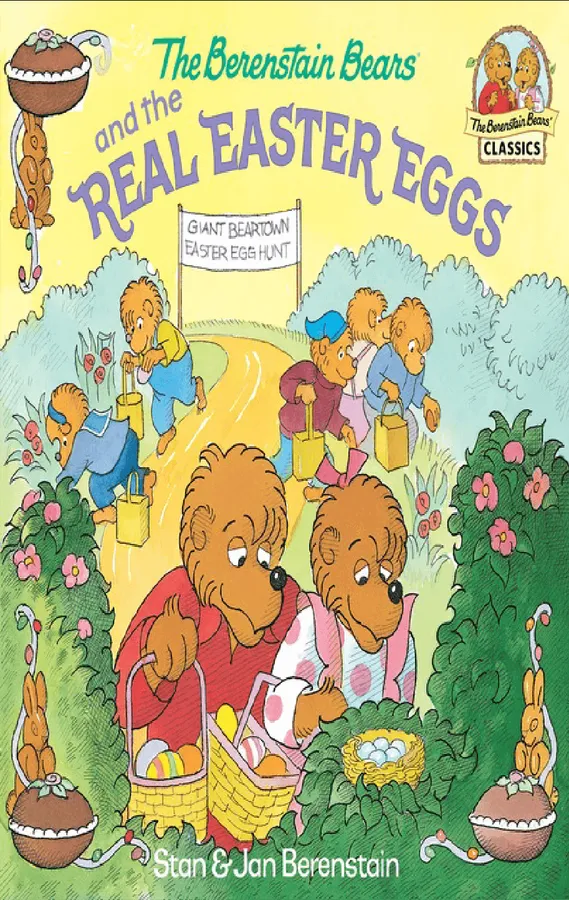
Maybe it's the bedtime story you've told your grandkids a hundred times, and one of them finally said "Grandma, this should be a real book." They're right — it can be. This guide covers how to write a children's book that works read aloud, what illustrations honestly cost, why picture books are 32 pages, and how to publish a children's book kids can actually hold.
Before you write a word, decide who's on your lap when this book gets read. The age group sets your word count, your page count, your art, even your price — and the single most common problem in the children's manuscripts we see is a story written for every age at once, which really means no age at all.
The four categories, in plain terms:
| Type | Ages | Word count | What it is |
|---|---|---|---|
| Board book | 0–3 | 0–100 | Thick pages, chewable corners. Often no story — concepts, sounds, "goodnight" rhythms. |
| Picture book | 3–8 | 400–800 | The classic 32-page bedtime book. An adult reads aloud; the child reads the pictures. This is what most of our grandparent authors are writing. |
| Early reader | 5–7 | 200–1,500 | The child reads it themselves. Short sentences, simple words, lots of repetition on purpose. |
| Chapter book | 6–10 | 4,000–12,000 | Short chapters, a few black-and-white drawings. The proud first "real book" a kid carries around. |
Notice how low those picture book numbers are. 400 to 800 words — less than this page so far. That's not a limitation; it's the craft. Every word in a picture book gets read aloud hundreds of times, so every word has to earn its seat. Cutting a 1,600-word draft down to 700 is the most common editing job we do on children's manuscripts, and the book is better every single time.
Pick up almost any picture book on your grandchild's shelf and count the pages: 32. That's not tradition for its own sake — printing presses fold large sheets into groups of 8 or 16 pages, and 32 is the size where cost and story meet. Because everyone prints 32, everyone designs for 32, and now a picture book that isn't 32 pages feels faintly wrong in the hand.
Here's what actually fits inside those 32 pages:
A practical trick before you write another draft: take 14 index cards, lay them out as spreads, and put one sentence of story on each. If your story fills nine cards, it needs more happening. If it needs twenty-five, it's two books — and that's a happy problem, because series sell.
A picture book is not read; it's performed. By a parent at 8pm who has already performed it four hundred times, and by a grandparent doing the moose voice. So the test of every line isn't how it looks on paper — it's how it sounds out loud. Before anything else, read your draft aloud, slowly, to an empty room. You'll trip in three places. Those are your rewrites.
Then run the better version of the test: read it to a real child, ideally the grandchild who inspired it. Watch, don't ask. Kids are the most honest editors alive — where they wiggle, cut; where they lean in, you've got it; and if they say "read it again," you're done writing. One of our authors tested her book on four grandkids and reported back that page 6 "lost the room" every time. We cut page 6. The book's better for it.
A few craft rules that hold up across the hundreds of children's books we've worked on:
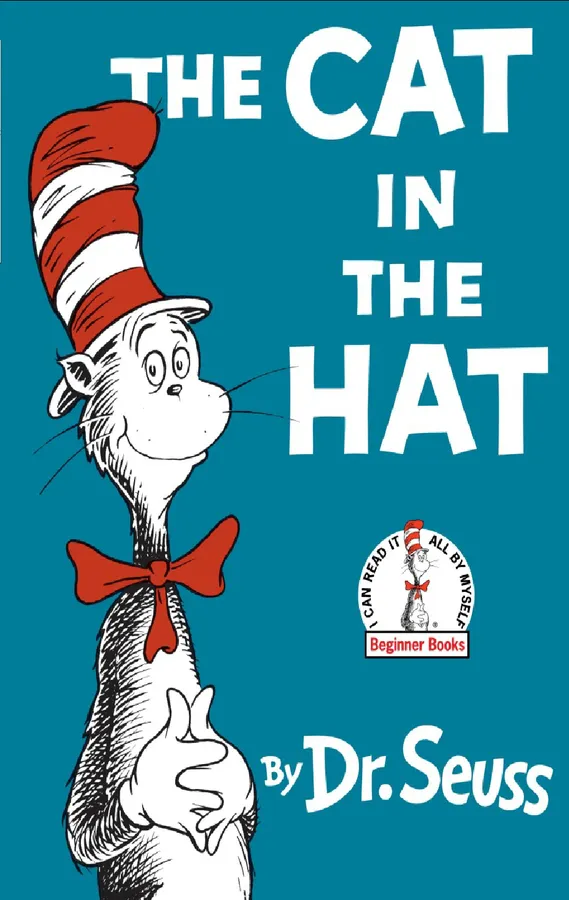
Everyone wants to rhyme, because the books we all grew up on rhyme. Here's the honest truth from the editing desk: rhyme is the hardest way to write a children's book, not the easiest. What makes Dr. Seuss work isn't the rhyme — it's the meter, the drumbeat underneath. da-da-DUM, da-da-DUM. When the beat stumbles, the reading adult stumbles, every night, forever.
The problem sentence looks like this: the writer needs a rhyme for "bed," so the cat suddenly does something with bread. Editors call it forcing the rhyme — the story starts serving the sound instead of the other way around. If you catch yourself bending the plot to reach a rhyme, that's the signal.
So: rhyme if the verses come naturally and you're willing to count beats on your fingers — and read every line aloud until none of them trip. Skip rhyme if the story is the strong suit. Plenty of beloved picture books don't rhyme at all; warm, rhythmic prose reads aloud beautifully and is far easier to get right. And if you're halfway between, our editors work with rhyming manuscripts regularly — fixing meter without losing your verses is careful work, but it's doable, and we'll tell you plainly if prose would serve your story better.
Illustrations are where a children's book gets real — and where the money is, so let's do numbers first. Custom illustration typically runs $50–$150 per finished piece from a professional freelancer. A picture book needs roughly 12–14 pieces plus a cover, so hiring it out yourself lands around $600–$1,800 or more, before anyone has edited a word or built a print file. That's why children's books cost more to produce than novels — it's the art, not the words.
Our Children's Book Specialist package includes 12 custom illustrations plus an illustrated cover in the $1,499 price, which is usually less than authors quote us for art alone. Either way — with us or a freelancer — the process should look like this:
One honest caution: photo-real AI art and clip-art bundles are flooding Amazon's children's section right now, and parents have learned to spot them. Consistent, hand-finished characters are what make a book feel like a real book — and they're what your grandchild's teacher notices at show-and-tell.
Here's where children's books differ most from novels. A novel is words on cream paper — print-on-demand handles it easily. A picture book is full-color art, edge to edge, on paper a three-year-old will grab with jam hands. The production bar is simply higher, and this is where do-it-yourself publishing gets hard:
Distribution works like any book — Amazon, Barnes & Noble, Apple Books, and more by tier — and the wider road to market is covered in our main guide to how to publish a book. But for children's books specifically, the physical object is the product. Get the print right and everything else follows.
The Children's Book Specialist package is $1,499, one payment. It covers the whole job: editing and proofreading of your story, 12 custom illustrations, an illustrated cover with two concepts to choose from, picture-book formatting and typesetting, ISBNs for print and digital, hardcover, paperback and eBook formats, publishing on 8 platforms including Amazon and Barnes & Noble, an Amazon Author page, a dedicated project manager, and the printed-and-digital proof you approve before anything publishes. You keep 100% of rights and royalties — the story and the characters are yours.
Timeline runs 2–3 months for illustrated books — art takes the time it takes, and rushing it shows. If a salesperson somewhere promises your grandchild's birthday as a delivery date, be careful; we never promise calendar dates, and there's a reason. Compare that against hiring an illustrator, an editor, a formatter, and doing the store setup yourself, and the bundled math usually speaks for itself — the piece-by-piece numbers are on our publishing cost page.
Many began as a bedtime story a grandparent had told a hundred times.
“The story was one I'd told my grandson since he was two. When the hardcover arrived and he saw his own name in the dedication, he slept with the book. Worth every penny of the $1,499, and they showed me every illustration before it printed.”
Straight answers from the phone at (229) 518-4453 — a real person, 11am–8pm ET, Monday to Friday.
With us, $1,499 — one payment for the Children's Book Specialist package, including 12 custom illustrations, an illustrated cover, editing, formatting, ISBNs, hardcover/paperback/eBook, and publishing on 8 platforms. Hired out piece by piece, illustration alone typically runs $600–$1,800, before editing or formatting.
Not with us — illustration is built into the children's package. You approve character sketches first, then each scene as it's drawn, and nothing is final until you've signed off. If you already have an illustrator or your own artwork, we can work with that too; it comes up often and it's not a problem.
Only if the rhymes come naturally and the beat holds up read aloud. Rhyme is the hardest form to do well — forced rhymes make a book harder to read every single night. Rhythmic prose is easier to get right and just as loved. If you send us a rhyming draft, our editors will fix the meter or tell you honestly if prose serves the story better.
Plan on 2–3 months. Custom art is most of that time — character sketches, your approvals, then spread-by-spread illustration. We won't promise a calendar date and you should be wary of anyone who does; rushed art is the most visible flaw a children's book can have.
You do — 100% ownership of the story, the characters, and the rights, in writing, plus 100% of royalties. If the grandkids demand a sequel (they do), everything you need for Book Two is already yours.
Write for the actual child in your life. If they're 3 to 8, that's a picture book: 400–800 words, 32 pages, read aloud by an adult. If they're reading on their own, look at early readers or chapter books. Picking one age group is the kindest thing you can do for the book — and if you're unsure, that's exactly what the free consultation is for.
See everything the package includes on our children's book publishing page, learn how covers get designed on the cover design page, or step back to the full road map in how to publish a book. Still telling the story at bedtime and not sure it's "book enough"? Tell it to us — the consultation is free and we'll give you a straight answer.